Just some data to try to answer, in Madrid, to the questions raised in the precedent post, based in data from the Statistical Institute of Madrid about: Population (2011 municipal population registry, also known as padrón, by census block data). The census block data geographical subdivision from the same source has also been used. Economic…
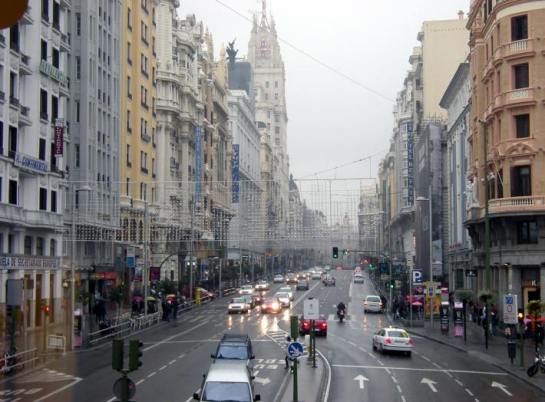
Gran Vía in Madrid, one of the main retail axis in historical Madrid
Just some data to try to answer, in Madrid, to the questions raised in the precedent post, based in data from the Statistical Institute of Madrid about:
Population (2011 municipal population registry, also known as padrón, by census block data). The census block data geographical subdivision from the same source has also been used.
Economic activity points in 2010, and employment in them, by census block
GDP, in 2009, by census block.
Data has been analyzed using an open source GIS with functions that allow a vision better adapted to the blog format.
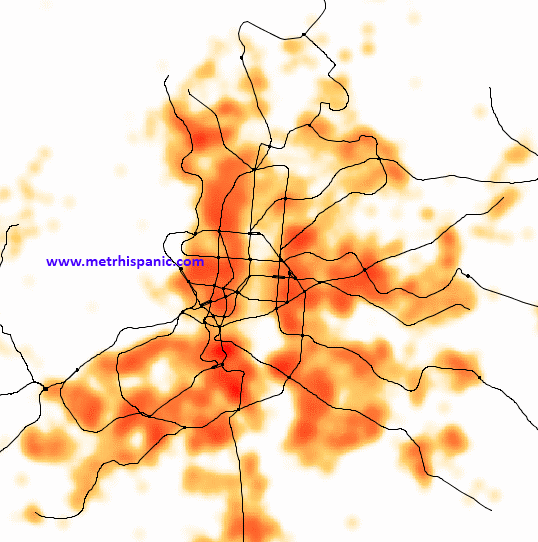
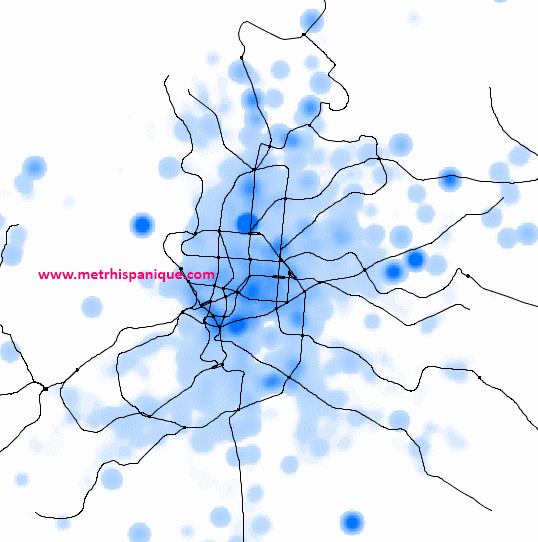
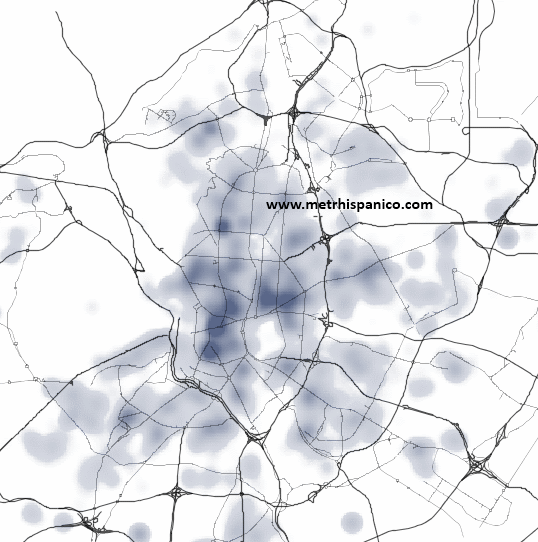
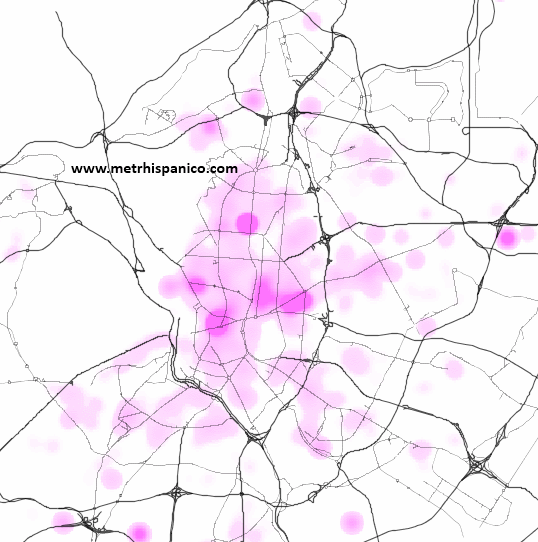
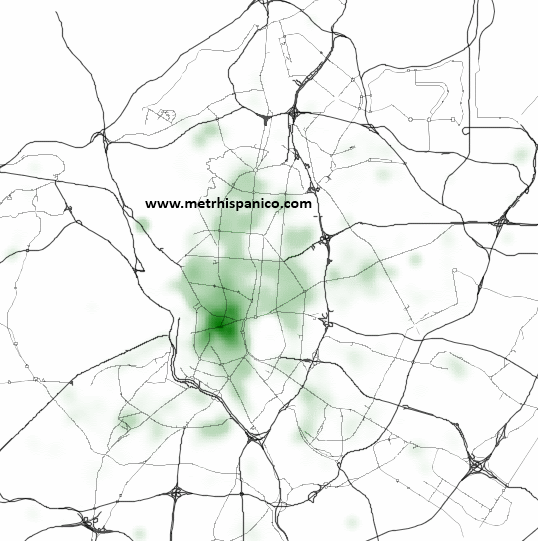
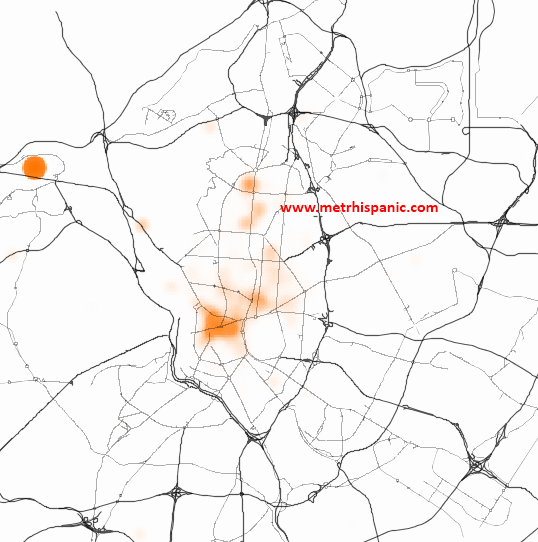
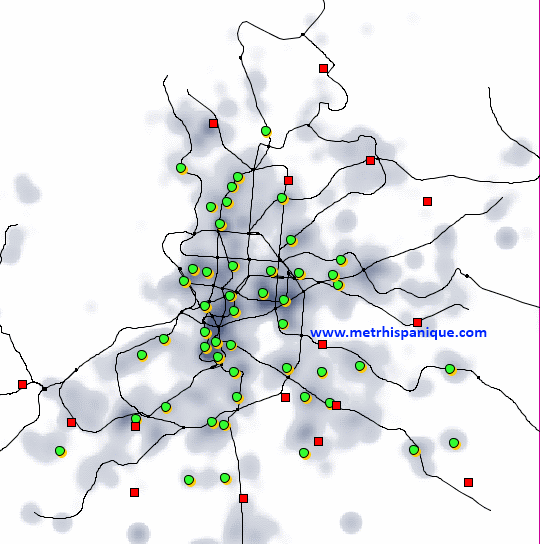
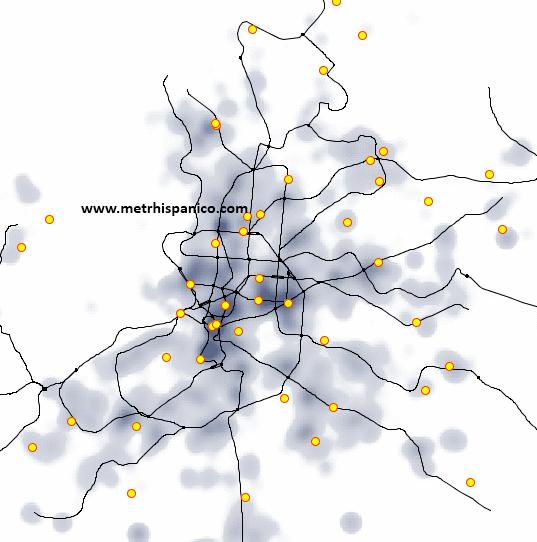
Spatial distribution of the population of the central zone of Madrid, related to the main streets and roadsSpatial distribution of the population of the central zone of Madrid, related to the subway networkEmployment in all activity sectors, related to the streets and roads. The employment/ housing ratio is higher in the north. There are high employment concentrations around Gran Via, Barrio de Salamanca, the Castellana axis (mainly AZCA), Ciudad Universitaria (the main Madrid Campus) and around the Barajas AirportEmployment in all activity sectors, related to the subway networkActivity establishments in all activity sectors, related to the street and grid road. There are special concentrations in the old city, Barrio de Salamanca and the Castellana axisGDP by census block, related to the street and road grid. The highest values are related to the highest employment concentrations.Concentrations of retail establishments related to the streets and roads gridEmployment in all retail categories, related to the streets and roads grid. Sol/ Gran Vía, Argüelles, Barrio de Salamanca, and Azca, the highest valuesBars, restaurants and hotels, related to the streets and roads grid. The Sol/ Gran Vía/ Huertas area is clearly the most relevantEmployment in bars, restaurants and hotels, related to the streets and roads gridMunicipal markets (green dots) and hipermercados (supermarkets over 2.500 sq m) related to the subway network, overlayed on the concentrations of retail activity. It is clear that the markets cover the central city, while the hipermercados cover the peripheral areas.Commercial centers related to the subway network, overlayed on the retail concentrations. In the peripheral regions the Commercial centers are closer to the american suburban mall model, and tend to separate from the subway network.





 metrhispanic
Leave a comment