A programme for 2015: the grain of cities

Defining a programme helps make easier what Is complex. The UN have declared 2015 as the international year for light and light related technologies, and international year of soils. At first glance, these seem better starting points than in 2016 (international year for pulses and camelids), but you never know… Nevertheless I think it’s better…

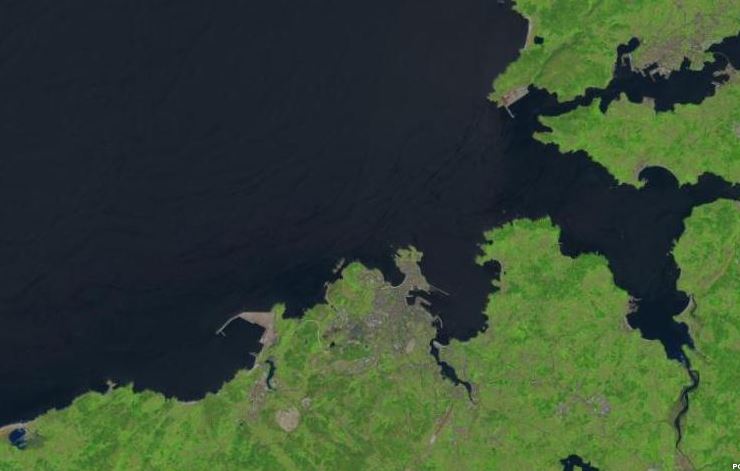
A place I happen to know well, as seen from Landsat
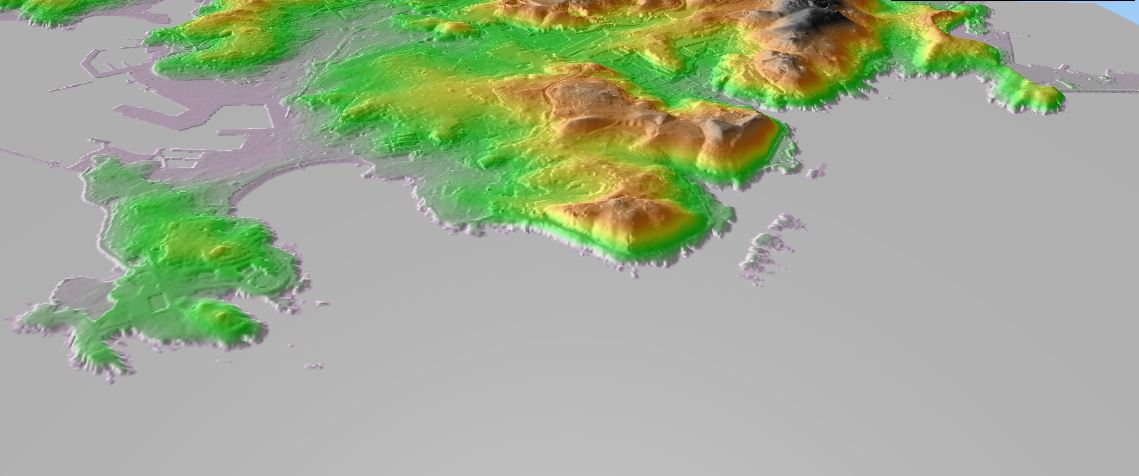
The physical base, first scale "grain" element
The physical base, first scale “grain” element

Defining a programme helps make easier what Is complex. The UN have declared 2015 as the international year for light and light related technologies, and international year of soils. At first glance, these seem better starting points than in 2016 (international year for pulses and camelids), but you never know… Nevertheless I think it’s better to choose a subject more focused on the built environment. And specifically, to focus on an issue that is overarching to most of the interesting works I read recently, and that so seems central: the grain of the city.

Beware, I’m not talking about grain in the crop sense, but about the different qualities that scales can render when talking about the city or the broader land in which it sits. Mandelbrot did translate a close idea it into the fractal theory, as the presence of visual qualities (although he was a mathematician, he seems to have favoured visual representations of abstract concepts, as structures in data in this case) that seem similar at different scales.
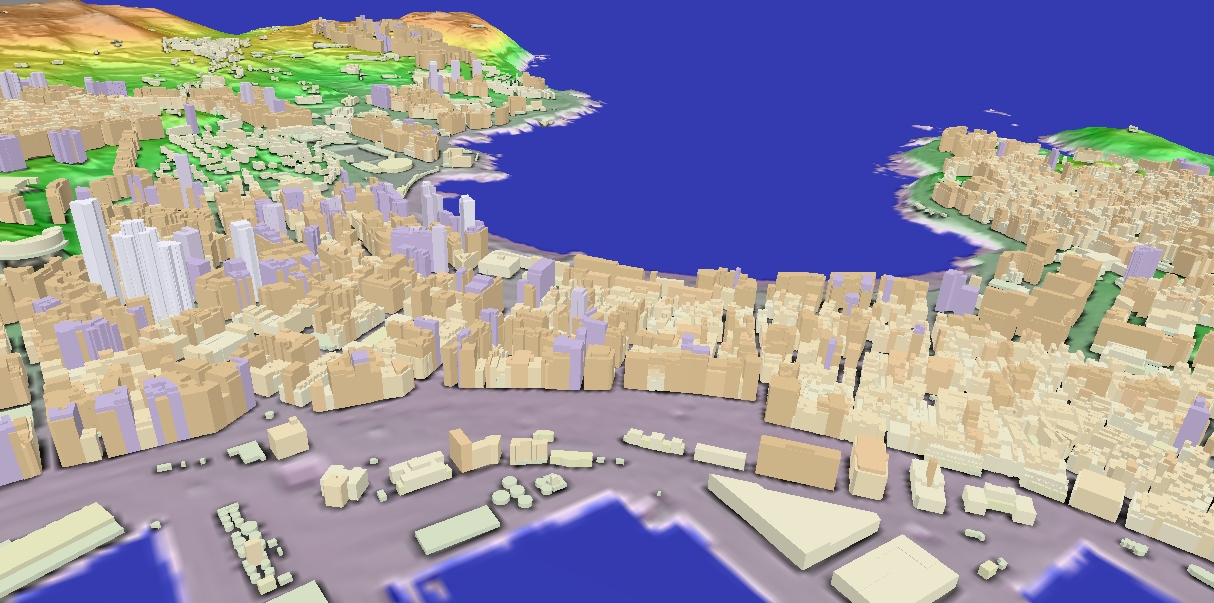
The grain of buildings, as described by cadastral data

The grain of the city can be physical (an historical area can be much more detailed in so many senses) or immaterial and related to flows and socioeconomic links; the most interesting spaces are those where both detail qualities converge.

The grain raises two issues:

  • The ability of our representation instruments to represent the city or the land and convey a given complexity
  • The presence (or absence) of complexities on the land, be it in one sense or the other.

This will be the base for the blog during this year, alongside more circumstantial issues. As ever, I’m open to your suggestions.
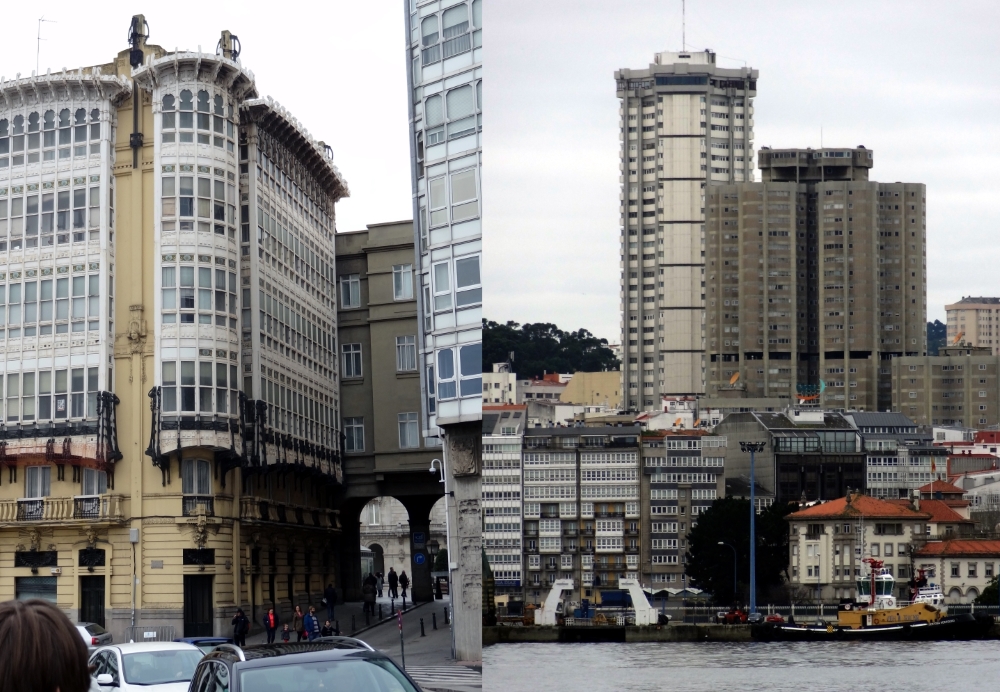
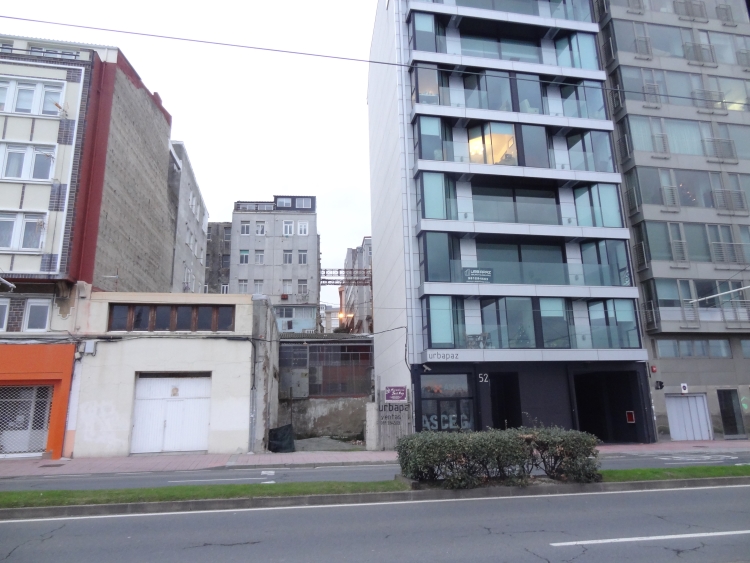
Architectural grain
Architectural grain
... and the grain of things set to become something else...
… and the grain of things set to become something else…

Responses to “A programme for 2015: the grain of cities”

  1. Dan Antion

    This is an interesting concept. I look forward to reading more along this topic line.

  2. Dan Antion

    If you are not already aware of her, I’d like to introduce you to another blogger that I follow. You have both recently posted similar things and things I don’t typically see in my WP Reader. I’ve been following both of you for a while. Here’s the link for you. I will add this post as a comment on the other blog as well. Do as you like. http://joiningdots.com/2015/01/17/visualising-london-fire-data-i/

    1. metrhispanic

      Thanks, Dan, it’s quite interesting

  3. Sharon Richardson

    Thanks for the intro Dan. And Hi Javier! Will definitely be following your work through the year, very much fits in with what I’ll be looking at. Just starting on urban modelling and simulation…

    1. metrhispanic

      And the same applies to what I see you do, Sharon…

Leave a comment